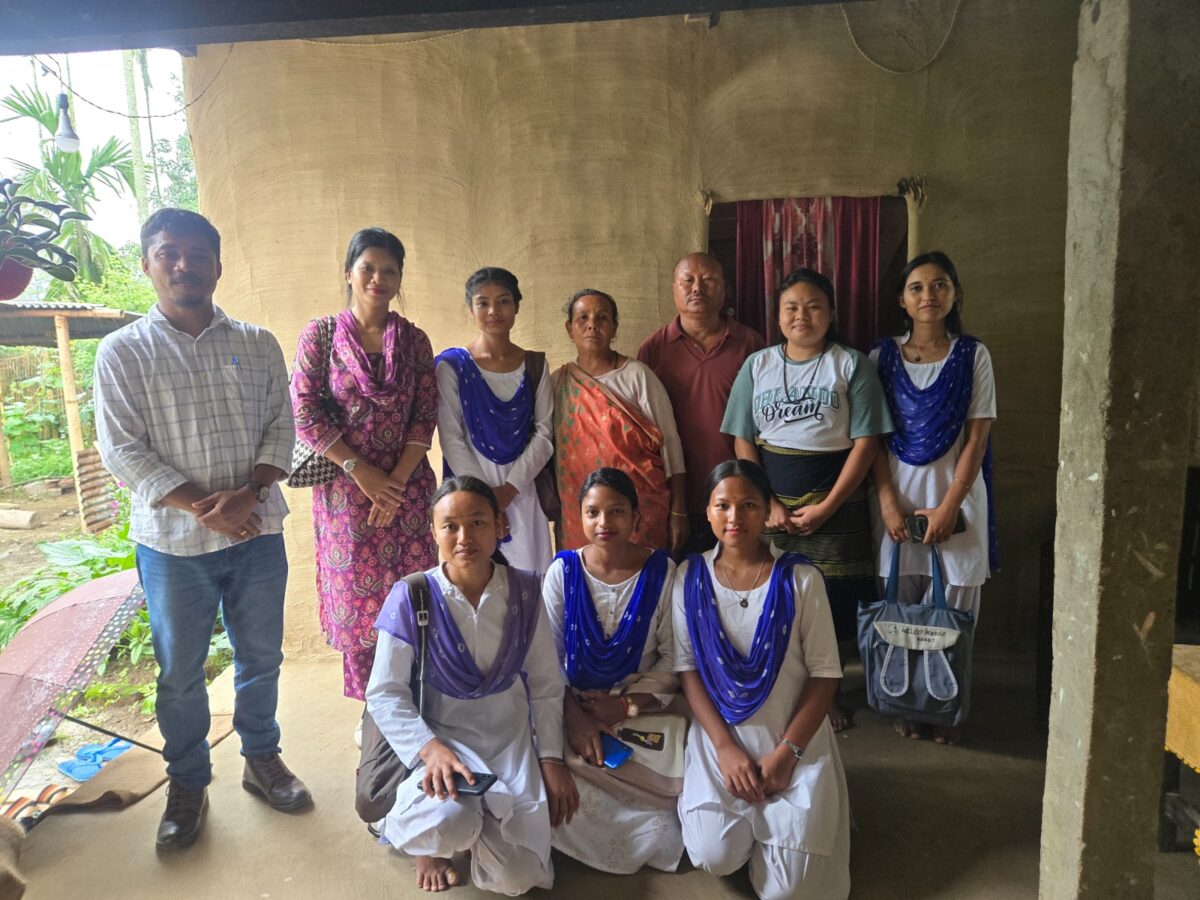
Department of English, JDSG College, Organises Field Visit to Lokhimon Village, Dolamora, Karbi Anglong, on 6 November 2026
November 10, 2026Report on Departmental Field Study
Department: Department of Assamese, J.D.S.G. College, Bokakhat
Event Category: Academic Field Study
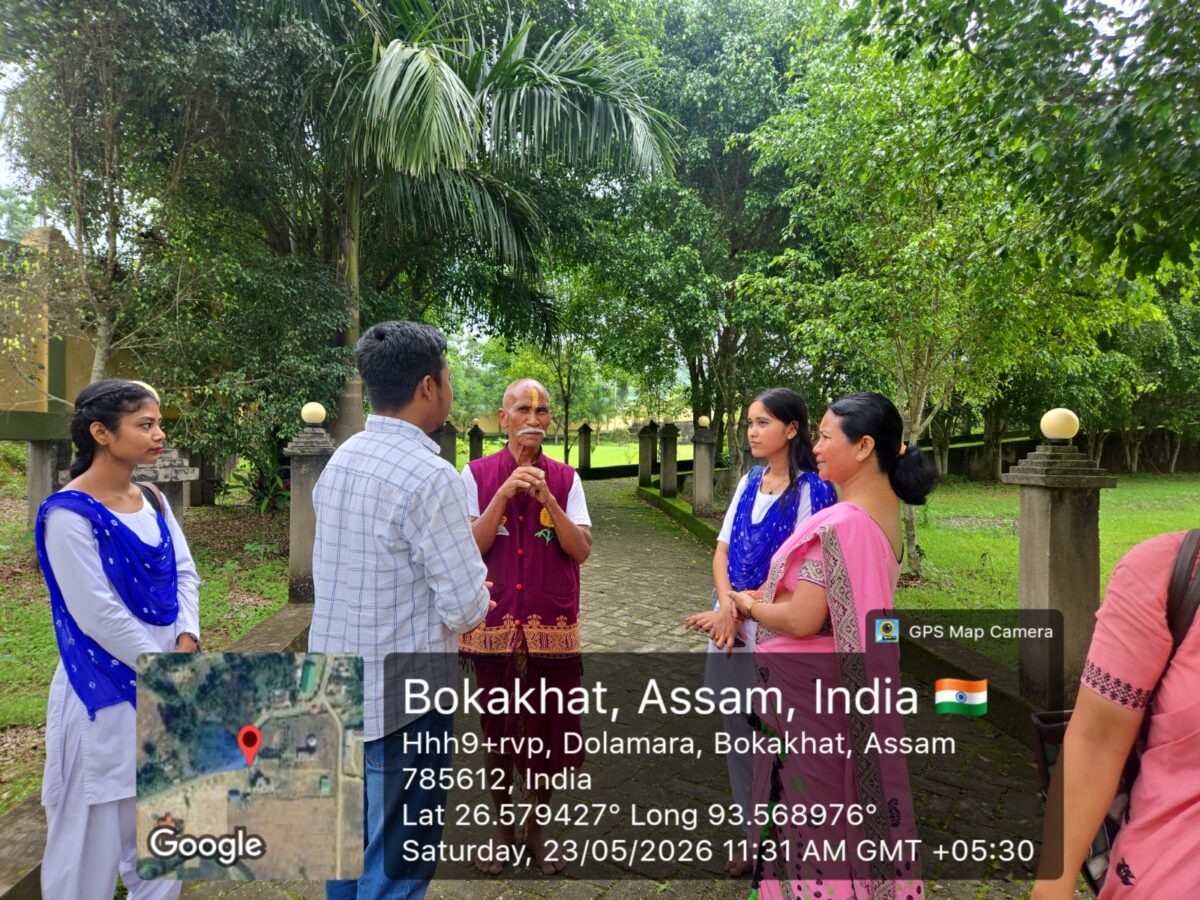
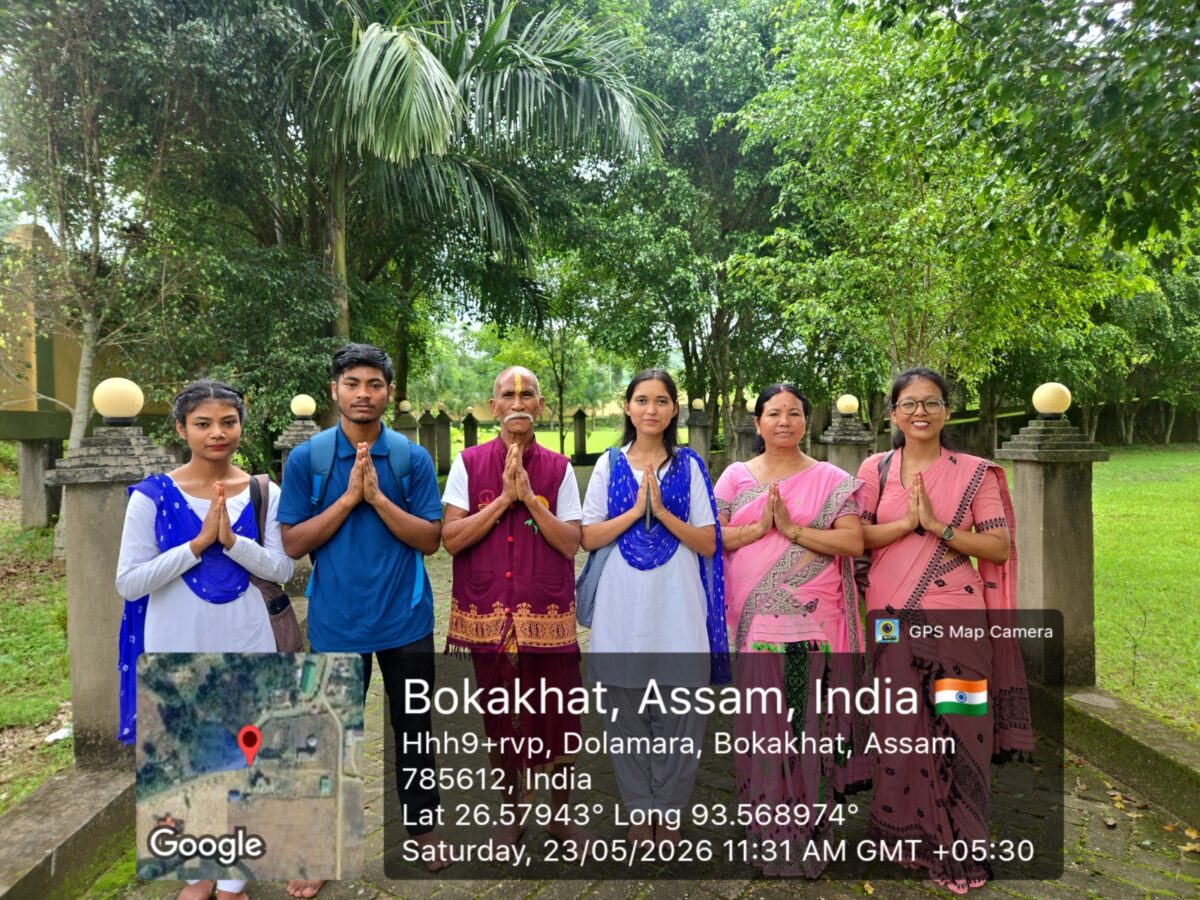
Location: Bapuram Tokbi Model Village, Dolamara, Karbi Anglong
Date of Execution: 23 May 2026
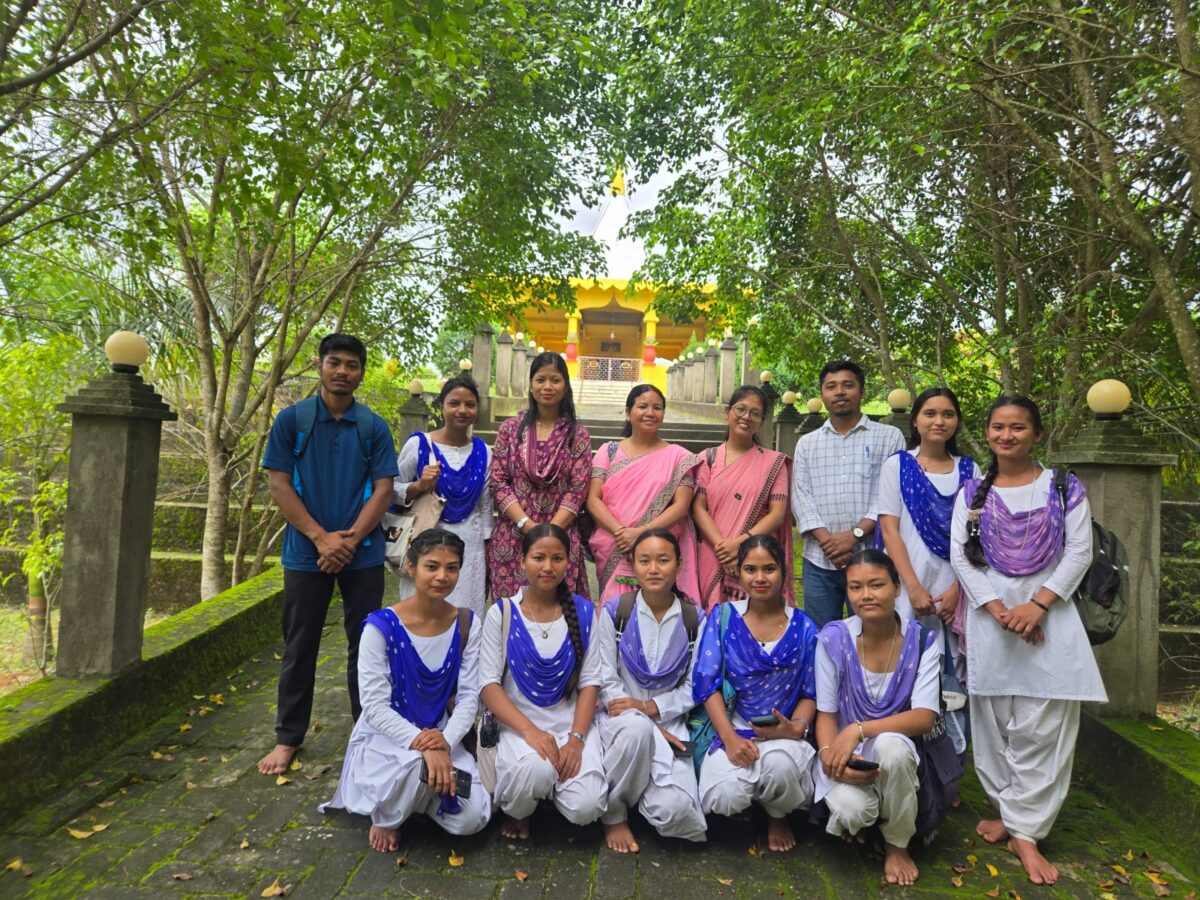
Participants: Postgraduate students and faculty members, Department of Assamese
1. Executive Overview
As part of the curriculum’s emphasis on experiential learning, the Department of Assamese conducted a comprehensive academic field study at Bapuram Tokbi Model Village in Karbi Anglong. This initiative was designed to transition students from theoretical, syllabus-oriented learning to practical social immersion, allowing them to directly engage with the living traditions of the region.
2. Academic Objectives
The field study was structured around three core academic goals:
• To cultivate a firsthand acquaintance with local folklore, cultural expressions, community dynamics, and living traditions.
• To gather primary, field-based insights into the ethnic heritage and cultural traditions of the Karbi community.
• To successfully bridge classroom academic theory with practical, on-the-ground social immersion.
3. Methodology and Field Activities
The study utilized participatory and observational methodologies to ensure robust data collection and community engagement:
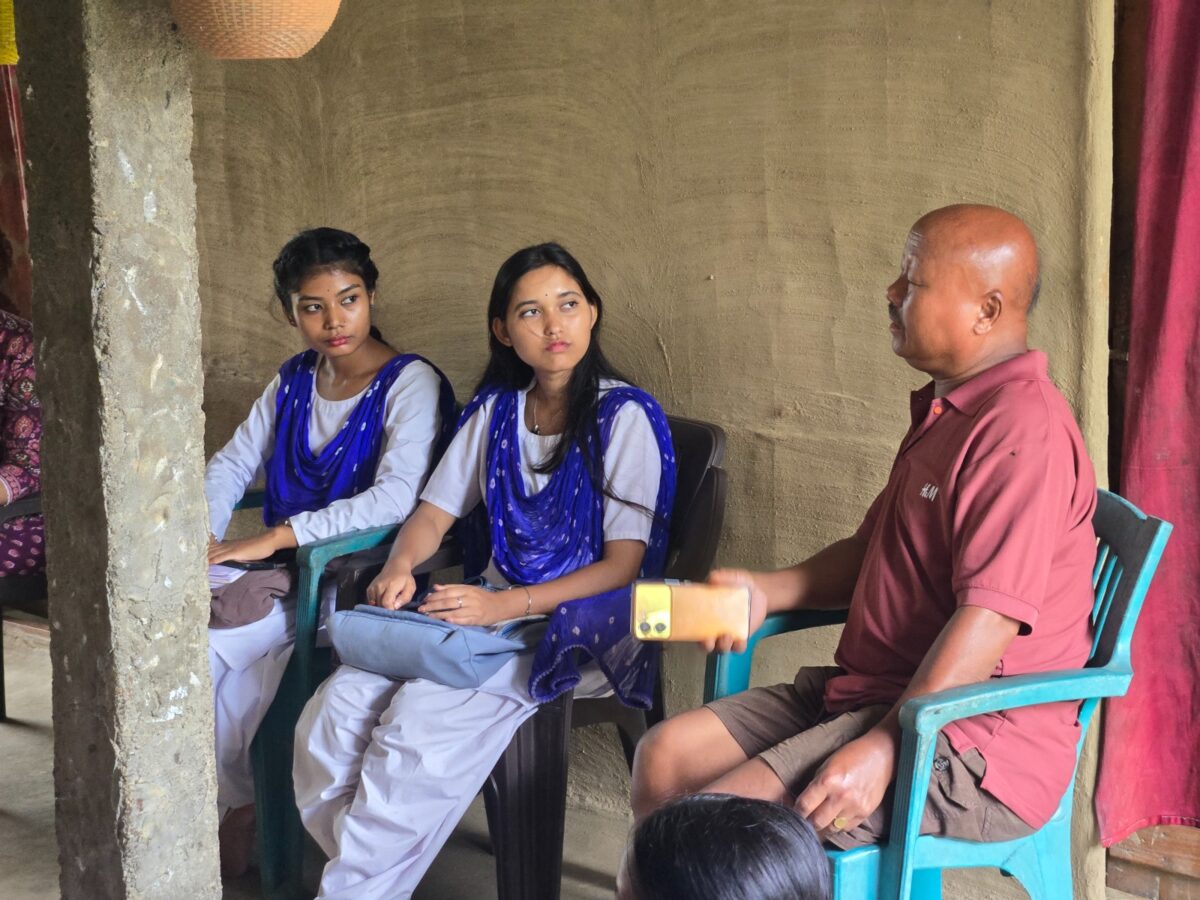
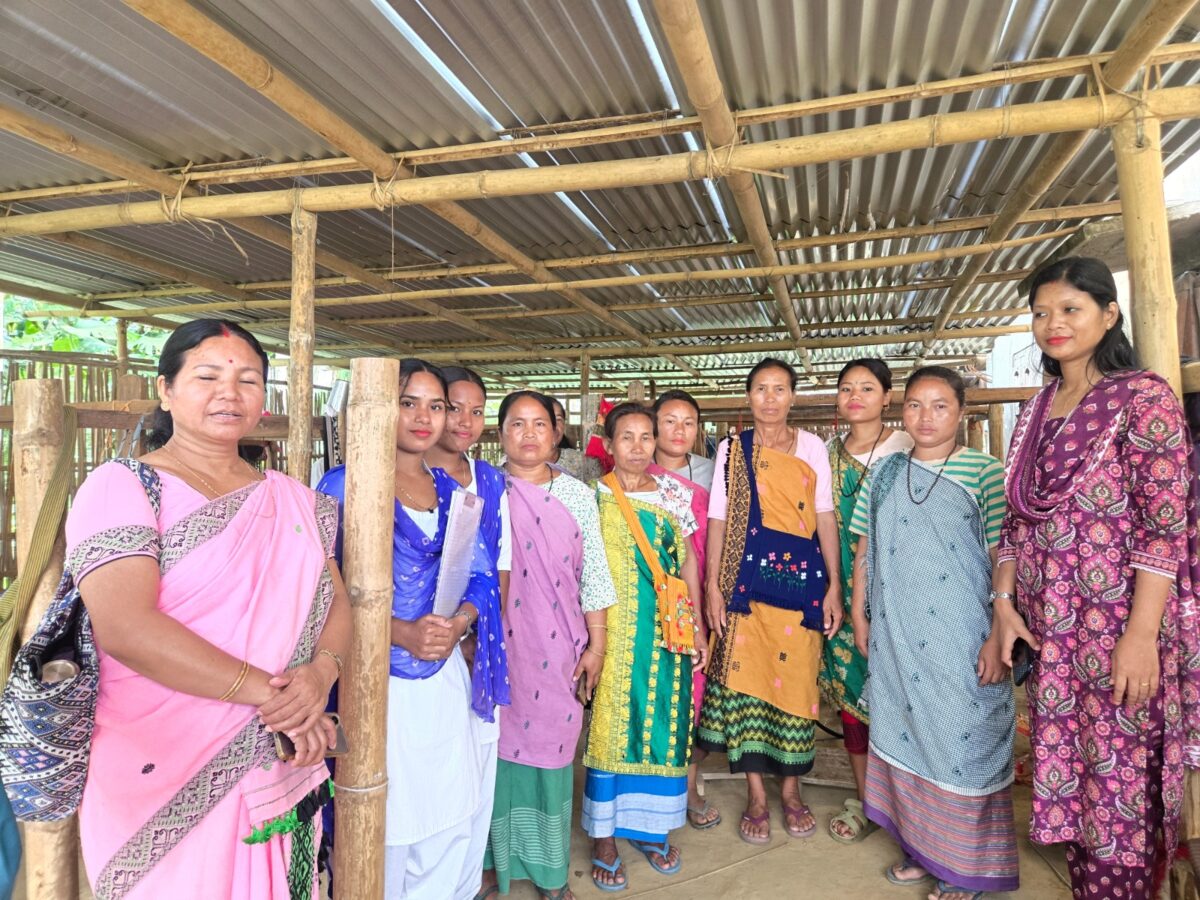
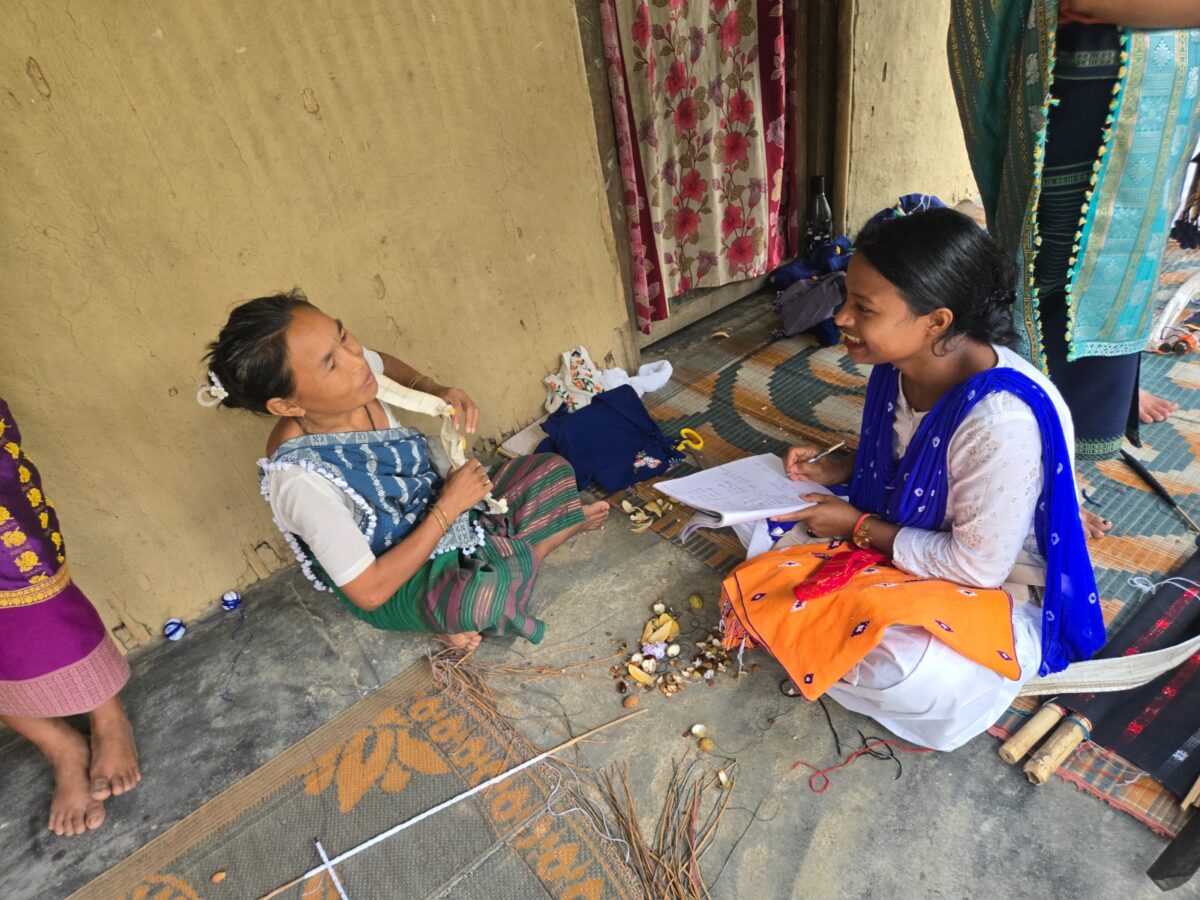
• Community Interaction: Students facilitated structured dialogues and interactive sessions with the local villagers, fostering a collaborative environment for knowledge exchange.
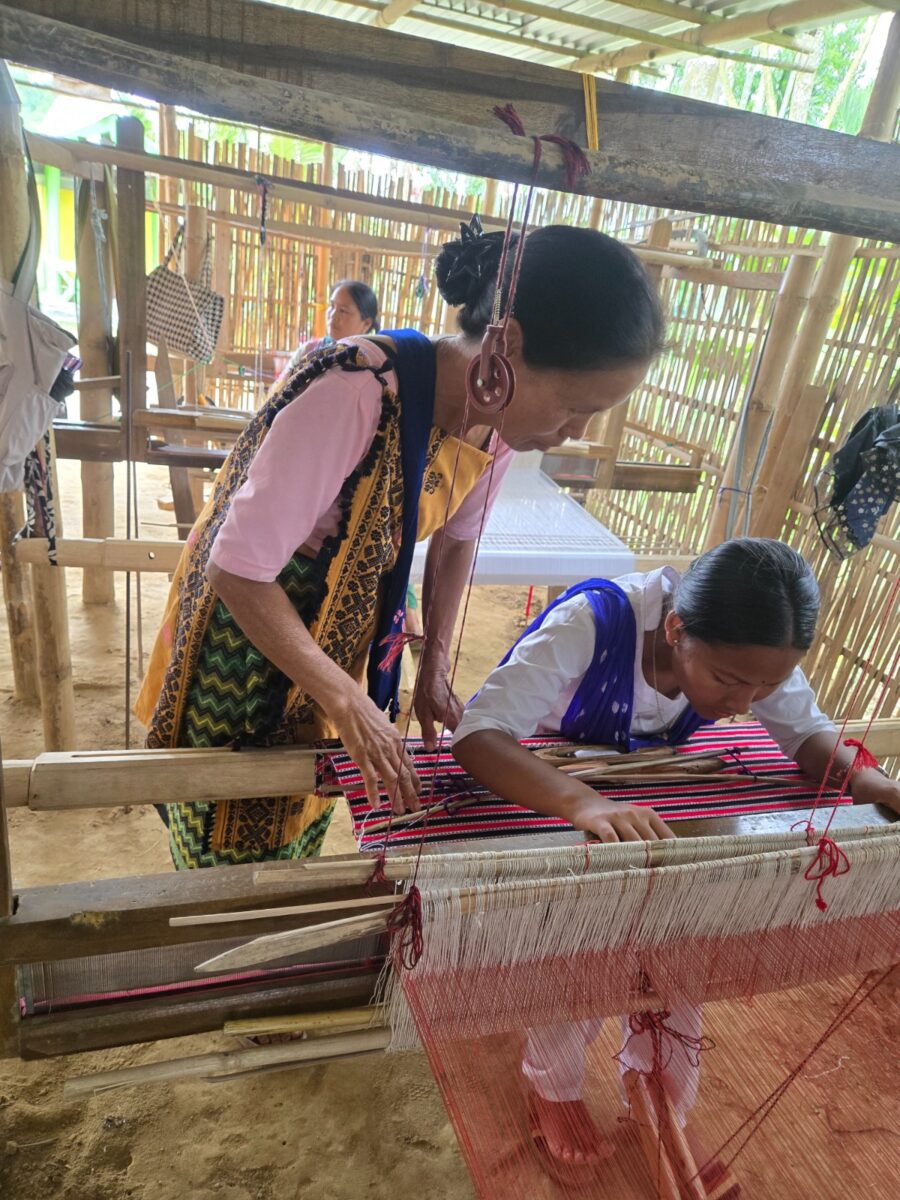
• Data Collection: Participants documented direct, primary information detailing the village’s overarching social framework, folk customs, spiritual practices, traditional lifestyle, and historical lineage.
• Experiential Learning: The hands-on approach allowed learners to transcend classroom texts, directly observing and analysing regional cultural heritage within an active community setting.
4. Academic Outcomes and Impact
The field trip successfully fulfilled its mandate by complementing theoretical coursework with tangible insights into community life. The execution of this study provided postgraduate students with critical primary exposure essential for the advanced study of regional folklore, literature, and indigenous heritage. The gathered data and resulting field experiences have significantly strengthened the department’s research repository and enhanced the analytical capabilities of the participating students.