
English
Departmental Profile
E.Cummings, the renowned writer, viewed literature, especially his own poetry, as an experience, not an intellectual puzzle to be “understood” but rather a living entity to be felt by the reader. Literature, in its truest sense, reflects life in its entirety. English, being the official language of around 60 countries, needs to be discussed, analysed and contested in modern day classrooms. According to linguist David Crystal in the Cambridge Encyclopedia of the English language (2003), in Shakespeare’s time, the number of English speakers in the world is thought to have been between five and seven million which increased almost fifty-fold to around two hundred and fifty million between the reign of Elizabeth I in the early 17th century and Elizabeth II in the 20th century. In her book, the first word: The Search for the Origins of Language (2007), Christin Kenneally has pointed out that of the approximately six thousand languages in the world, only ten are spoken by half of the world’s population. English is the single most dominant of these ten. British Colonialism initiated the spread of English across the globe; it has been spoken nearly everywhere and has become even more prevalent since the second World war. The phenomenal popularity of this language has affected people and places both in the macro and micro levels; extensively as well as intensively.
India is the only country in the non- native English-speaking world where the teaching of English is introduced at the elementary stage. In fact, there was a time, as many a senior citizen may recall, when English used to be the first language at schools and the vernaculars came second. Here in comes the factor of multilingualism. It is a matter of some pride for us that we are a nation of multilingual speakers where every individual is proficient in at least two languages. The school curriculums in India offer a student the opportunity to study languages like English and Hindi among others. Indeed, this situation is an expression of unity in diversity in our country. Nowhere is this more prominent than in North East India. The number of documented as well as undocumented languages and dialects from this region may well run into thousands. Suffice it to say that in North East India, so rich in its medley of linguistic variety, English is not just a means to gain social prestige or a pathway for a better life, it is first and foremost a lingua franca just as Assamese, Hindi, Nagamese, Nefamese etal are. In Nagaland, for instance, English is one of the states’s official language. Located at co-ordinates 26.38 degree N, 93.36 degree E, a tiny pinhead on the map smack in the middle of Assam, Bokakhat is like the entire North Eastern diaspora condensed into a rubik cube. Known as Namdoyang in the days of yore, the township of Bokakhat may well be called the navel of Assam – tiny but strategically located at the centre of Assam and beside the jugular vein of the state, the National Highway 37. If Bokakhat is the geographical centre of Assam, JDSG College ias the heart and soul of Bokakhat. It is one of the premier higher education institutions of the Golaghat district, established in 1964. It has served consecutive generations of local residents. Almost every family in the region has some sort of connection with this college; either as alumni or through a sense of familiarity.The department of English has always been on the forefront in familiarising local people with English both as a subject and as a language.
With English both as subject and as language the memories of the fledging days of the department are inextricably woven with the names of the late Thaneswar Hazarika, Mr. Abdul Samad and Dr. Babulal More. Mr. Thaneswar Hazarika was the first HoD of the department and his colleague Mr. Sayed Abdul Basar Samad, was at the time the foremost authority in this field. Mr. Samad rendered his valuable service of teaching English at CNB Science College, Bokakhat,in 1995.A distinguished teacher and administrator, Dr. More, has served in the position of Principal (i/c) and Vice Principal of JDSG College on multiple occasions.
Senior residents of Bokakhat will recall with admiration and gratitude the service of the pioneering teachers of the town’s vernacular medium schools-names such as those of Mr. Muni Ranjan Singh, Late Binanda Sarma, Late Budheswaer Phukan, Late Dimbeswar Saikia and Late Suprabha Devi who taught at the Bokakhat Girls’ Higher Secondary School are fondly remembered as dedicated teachers who encouraged several generations of students to learn and grasp the English language at the preliminary level. Well known English teacher Ms. Nijora Borthakur’s name can be undoubtedly added to the list of the names of dedicated teachers. A distinguished educationist and a prolific writer with thirty-four years of experience of teaching English, she has been associated with the establishment and management of countless educational institutions in and around the town of Bokakhat. As teacher and member of the governing bodies of various local educational institutions, she believes that most candidates appointed as English teachers in the primary schools and high schools need to focus on giving their wards a solid foundation in the language because in today’s cut throat competitive environment, a good command over the English language is an invaluable asset. Besides, higher studies and popular career options such as engineering, medicine, business management, tourism, etc are almost exclusively offered in English alone. This is the reason for which increasing number of students wants to focus on English as their first language at school. When the Rose English High School was established in ward no.4 of Bokakhat in 1977, it was the only English medium school in the vicinity. Then came Kristo Jyoti and later the Kairanga Modern High School. By 1997, D.P.S. Numaligarh had been established in collaboration with Numaligarh Refinery Limited, making English medium the instruction at school accessible to a greater number of local people and their wards.
English is now one of the most preferred subjects by students aspiring to take up a major course at an undergraduate level at JDSG College. The department presently has seventy number of major seats and fifty in minor course. Earlier the number of students offering to take up English as a Major Subject in our College used to be minimal. Back then, it required words of motivation from the faculty members to encourage the students to pursue English (Hons) as their disciplineThe hard fact is more students from the vernacular medium institutions have almost negligible proficiency in the English language. Mistakes left unrectified at an impressionable age tend to crystalise indelibly with time. By the time a student has completed his or her matriculation confusions related to syntax and tense become incorrigible, permanently crippling the learning ability of the students. It is remarkable that the hardworking teachers of the department have maneuvered their way through these obstacles and have shaped the department to the present state.
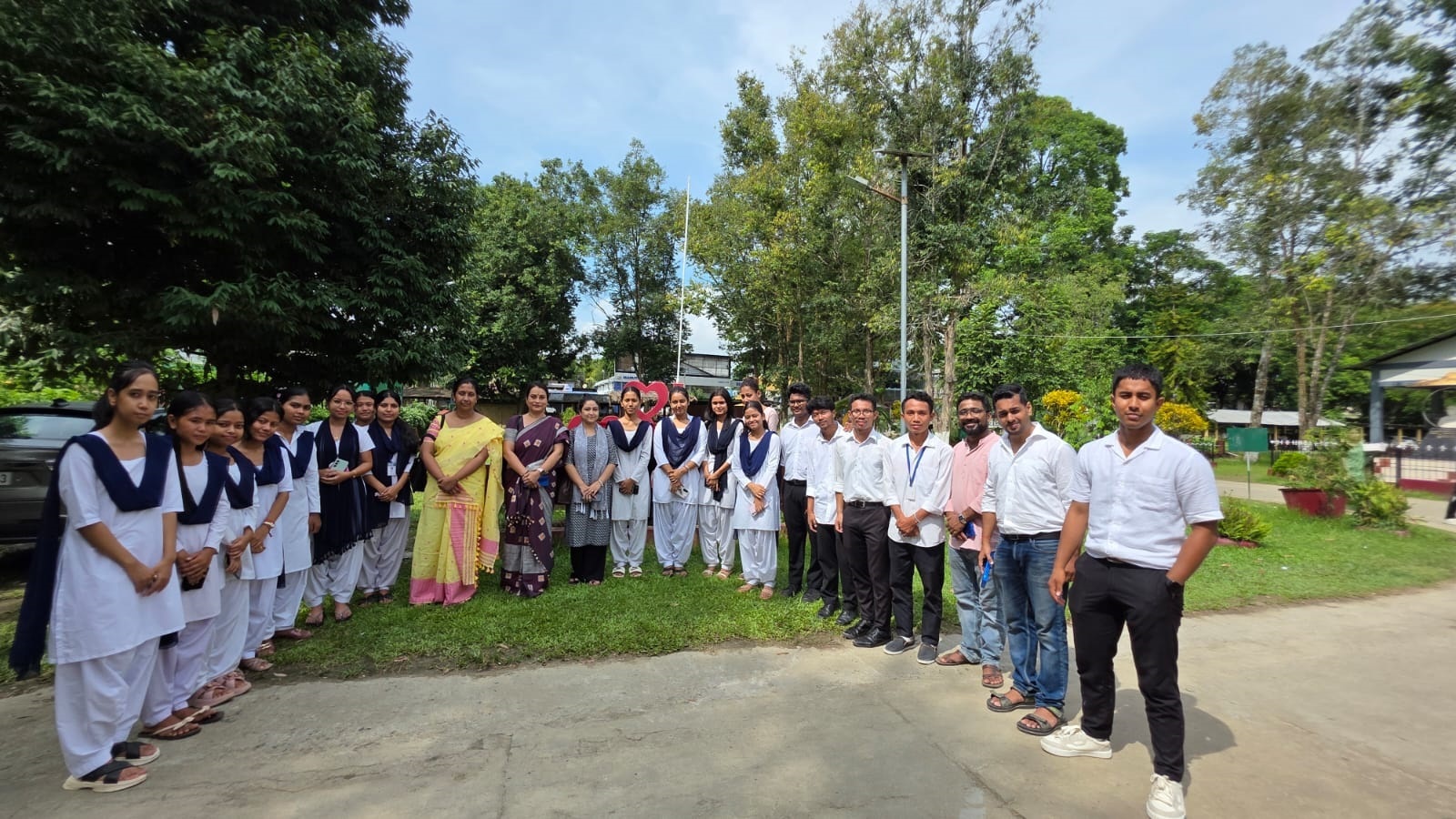
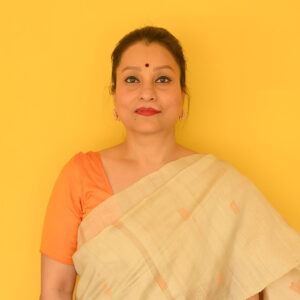
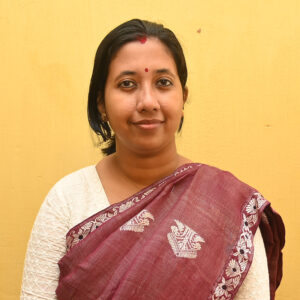
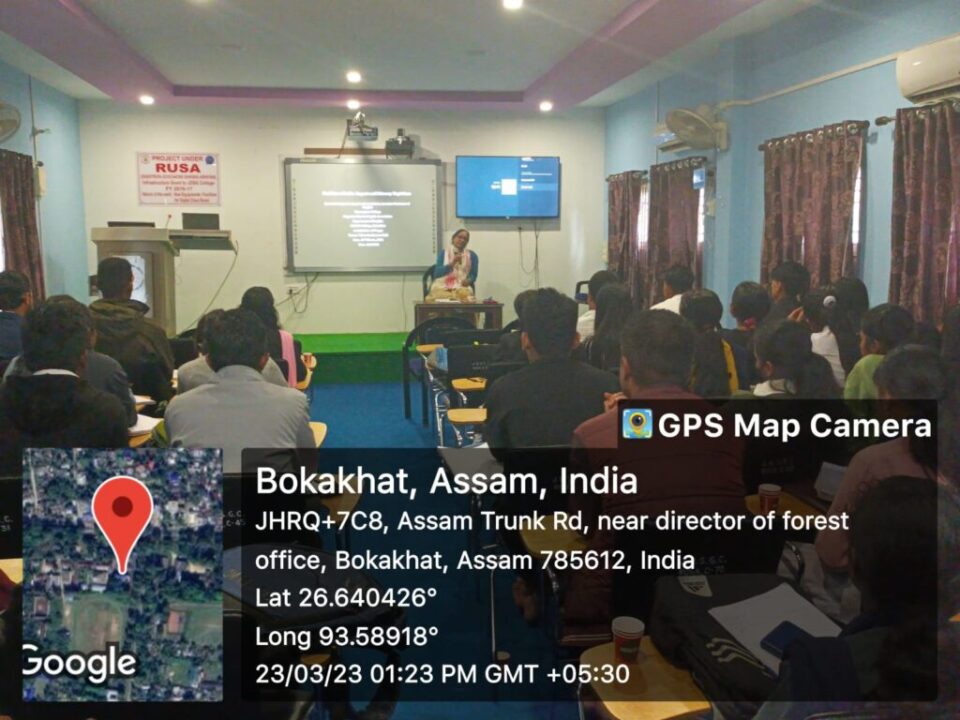
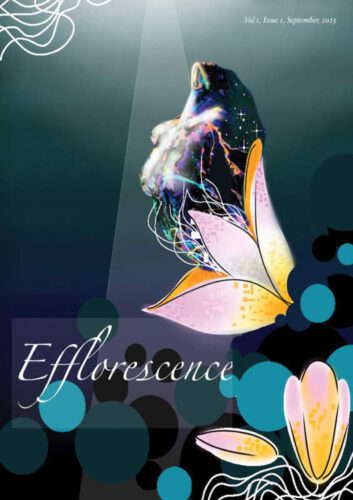
The department, in its present shape, consists of five permanent faculty members with former Head of Department, Dr. Jayanta Das in lien. The current Head of Department is Dr. Monalisa Borgohain. Ms. Monsumi Sarma, Dr. Pritam Panda, Mr. Akash Jyoti Sarmah and Ms. Chastashree Bharadwaj are the other faculty members. In alignment with the New Education Policy (NEP-2020), the department has kept up with the paradigmatic changes in English curriculum all over the country and introduced modern courses. These includes compulsory internships, add-on courses like Spoken English Proficiency, E-Content Writing, and Skill Enhancement Courses like Soft Skills and Creative Writing. The core aim of the courses is to increase employability of English graduates as well as train them to be good problem- solvers and communicators. The department also offers Ability Enhancement Courses like Communication Skills which add to the repertoire of Students. The Department conducts regular talks, seminars, and workshops with an aim to augment the research output. Under its PRAGYA initiative, webinars, faculty exchange programs, and other extension activities are carried out every year. Students of the department, under PRAGYA initiative, go to adopted schools like Namdoyang LP School and Mungilal Krishna Devi Balika Vidyalaya to engage with students and carry out literary as well as extra-curricular activities. Faculty members from cluster colleges like Government Model College, Deithor, Kamargaon College, and Government Model College, Kaziranga are invited regularly for lectures and symposiums. The department also brings out its own E-journal , with ISSN , titled “Efflorescence” which includes contributions from writers based in different parts of the country.
Faculty Profile



Question Bank
Departmental Activities

Research & Publication
Facilities


Department Library
The English Department Library serves as an important academic support centre for students and faculty. It offers a curated collection of texts in literature, language studies, linguistics, criticism, and theory, ensuring that learners have access to essential resources beyond the central library.
It has a comprehensive collection of novels, plays, poetry, literary criticism, and theory. The resources align with the curriculum and there are wide range of reference materials including dictionaries, encyclopaedias, and handbooks, with easy borrowing facility for departmental students.
Our aim is to support an enriching learning environment by providing students with accessible, relevant, and high-quality academic resources that complement classroom teaching and inspire independent reading and research.
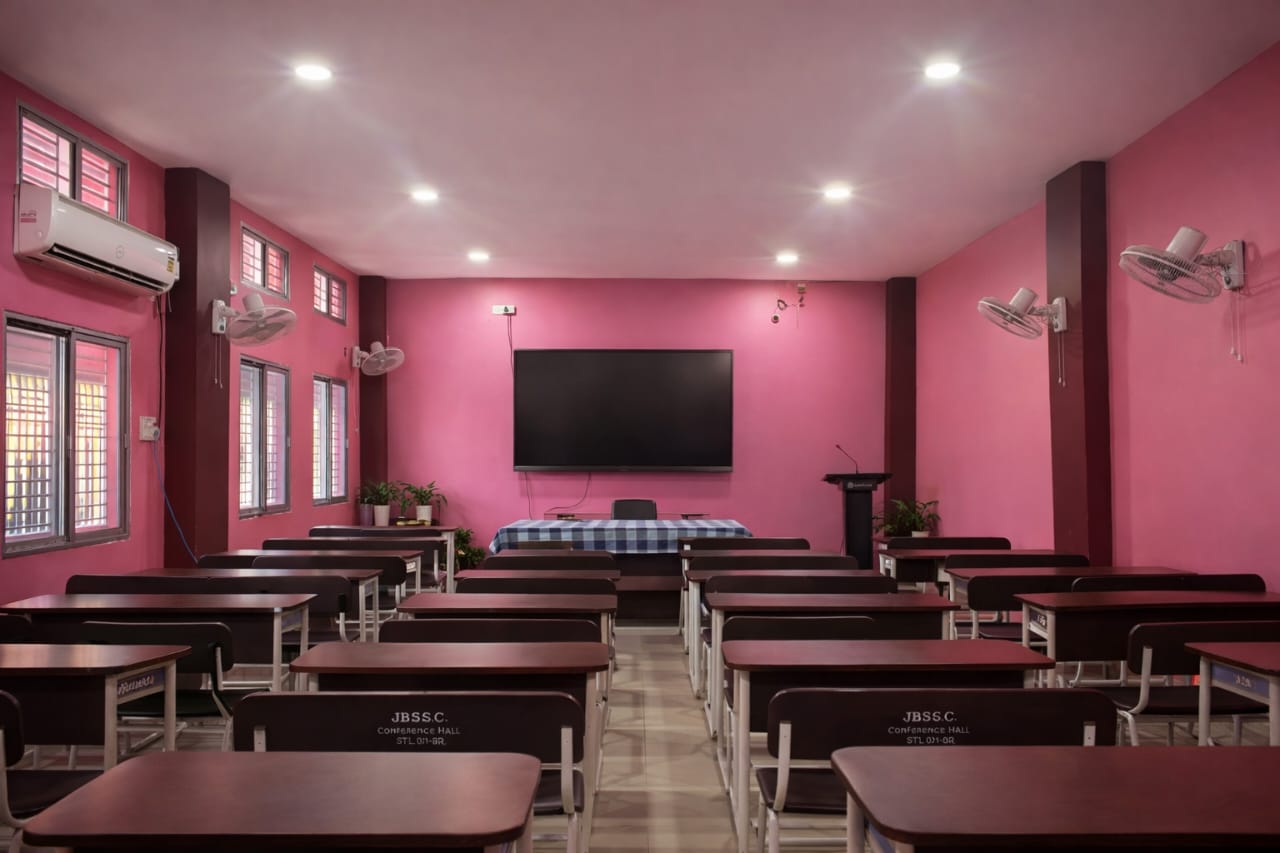
Smart Classroom
The department is equipped with Smart Classroom featuring an interactive smartboard to enhance the teaching–learning experience. This technology-enabled space supports dynamic, engaging, and visually enriched instruction, making lessons more interactive and accessible for students.
The features include an Interactive Smartboard for digital presentations, annotations, and multimedia integration with Wi-Fi connectivity.
There is also another classroom with high-resolution projector for clear visibility, and audio system to support videos, lectures, and online content.
The aim is to integrate modern digital tools into traditional teaching methods, ensuring a future-ready, interactive, and student-centric classroom environment.